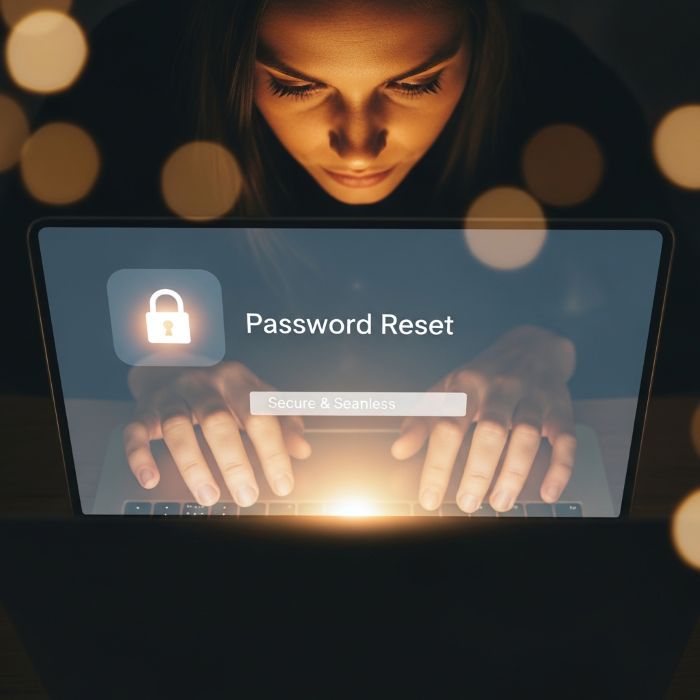
For small to medium-sized business owners and marketing professionals, the login screen is often the first point of interaction with a customer. But what happens when that interaction fails? A forgotten password is a moment of high friction that can lead to immediate user abandonment. Handling this process with confidence means building a bridge back to your service that is secure, empathetic, and, above all, seamless.
In this comprehensive 2,000-word guide, we will explore the psychological, technical, and strategic elements of a perfect password recovery flow. By the end, you’ll know how to turn a moment of frustration into a proof of your brand's reliability.
1. The Psychology of the "Locked Out" Experience
When a user clicks "Forgot Password," they aren't just performing a technical task; they are reacting to a failure. They might be in a rush to check their Email Campaign Statistics or finalize a newsletter. This stress makes them prone to further errors.
Your goal is to be the "calm in the storm." Avoid using red, aggressive error messages. Instead, use soft tones and reassuring language. The UX should whisper, "We've got you," not scream "Security Breach!"
2. The Identification Phase: Simplicity is Safety
The journey begins when the user realizes they don't know their credentials. Most platforms ask for an email address. This is the most logical choice because it's a piece of information the user is unlikely to forget.
### The "User Not Found" Dilemma
For security, you should never confirm if an email exists in your database to an unauthenticated visitor. This prevents "Username Enumeration" attacks. However, from a UX perspective, this is frustrating. The Solution: Use a generic but helpful message: "If an account exists for this email, you will receive a reset link within 2 minutes."
Check our Marketing Glossary for more on Transactional Emails and why they are the backbone of this process.
3. Delivering the Magic Link via SMTP
The password reset email is time-sensitive. If it takes five minutes to arrive, the user has already opened a new tab and forgotten about you. This is why using a professional SMTP Relay Service is non-negotiable.
Standard web servers are often blacklisted by major ISPs like Gmail or Outlook. A dedicated relay ensures your reset links land in the Inbox, not the Spam folder.
4. Anatomy of the Perfect Recovery Email
Your recovery email should be a masterpiece of clarity. Since you are likely using Mailpro’s Newsletter Tools for your brand communication, apply the same design standards here.
- Clear Subject Line: "Reset your [Company] password" (Keep it under 60 characters).
- Branding: Use your logo. Consistency builds trust.
- The Button: Make the "Reset Password" button large and easy to tap on mobile.
- Safety Net: Include a line saying, "If you didn't request this, you can safely ignore this email."
Building a secure reset flow? Mailpro’s automated emails send reset links instantly and reliably — so users never get stuck waiting.
5. Creating the New Password: Lowering the Barrier
Once the user clicks the link, they arrive at the password creation page. This is where most friction occurs due to "Password Complexity Rules."
### Modern Password Philosophy
Stop forcing users to include special characters they can't remember. Instead, encourage Length. A 15-character phrase is infinitely more secure than a 8-character "complex" password. Include a "Show Password" toggle. This simple feature reduces "typo-frustration" by 60%. For more UX tips, visit our Blog for the latest in digital design trends.
6. Adding a Layer of Security: Transactional SMS
For businesses handling sensitive data, email isn't always enough. This is where Two-Factor Authentication (2FA) comes in. By sending a code via an Online SMS Gateway, you ensure that even if a user's email is compromised, their account remains secure.
SMS has a 98% open rate, making it the most reliable way to deliver urgent security codes. If you're unsure how to set this up, our FAQ covers the basics of SMS integration for businesses.
7. Mobile-First Recovery
Over 50% of your users will likely attempt a password reset from their phone. If your "New Password" fields are too small for thumbs, or if your "Submit" button is hidden below the fold, you are losing customers. Ensure your reset pages are responsive—a feature we prioritize in our Newsletter Builder, and one that should extend to every corner of your site.
8. Troubleshooting and Support
What if the user no longer has access to their email? You need a clear "Secondary Path." 1. **Manual Review:** Provide a link to your support team. 2. **Security Questions:** While old-fashioned, they can serve as a last resort. 3. **Backup Codes:** Encourage users to download "Recovery Codes" during their initial setup.
For more on managing your contact lists and keeping data clean, check our guide on Creating Contact Lists.
9. Technical Checklist for the Confident Owner
Even if you aren't the developer, you should ensure your team follows these standards:
- Encryption: Are passwords hashed using BCrypt or Argon2?
- Expiration: Do reset tokens expire after 30 minutes?
- One-Time Use: Does the link break immediately after the password is changed?
Learn more about these technical terms in our Glossary.
10. Conclusion: Turn a Problem into a Feature
Handling forgotten passwords with confidence is about showing your users that you value their time and their security. By using professional tools like Mailpro’s Advanced Features, you ensure that every part of the user journey—even the parts where things go wrong—is handled with professional care.
Ready to see how a professional platform handles user data and delivery? Check our Pricing and start your free trial today.
Mailpro and password reset emails
Password reset emails that arrive fast and just work
A slow or missing reset email costs you the login. Mailpro’s transactional and automated emails fire instantly and land reliably, so users recover access without friction.