DMARC (Domain-based Message Authentication, Reporting & Conformance) is an email authentication policy that builds on SPF and DKIM.
It tells mailbox providers what to do when an email fails authentication checks, and it provides reporting so domain owners can monitor abuse and configuration problems.
DMARC is a core part of email authentication and strongly supports email deliverability, especially for brands that want to prevent impersonation and phishing.
In simple terms: SPF and DKIM prove who is allowed to send. DMARC adds rules and visibility.
How DMARC Works
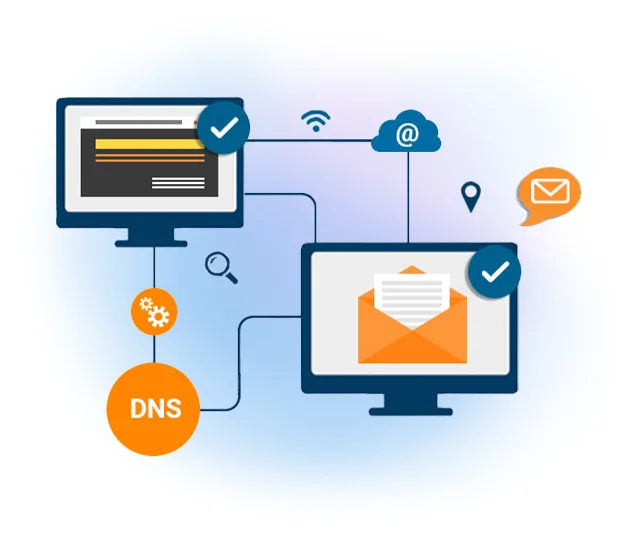
DMARC checks whether the domain shown to the recipient (the “From” header) aligns with your SPF and/or DKIM authentication results.
DMARC passes when at least one of these succeeds and aligns with the “From” domain:
- SPF alignment: the authenticated “envelope from” (Return-Path) domain matches the “From” domain
- DKIM alignment: the domain in the DKIM signature (the d= value) matches the “From” domain
If alignment fails, DMARC tells the receiving mailbox provider what to do with the message (deliver, quarantine, or reject), depending on your published policy.
What Is a DMARC Record?
A DMARC record is a DNS TXT record published under:
_dmarc.yourdomain.comA basic DMARC record looks like this:
v=DMARC1; p=none; rua=mailto:[email protected]Key DMARC tags you will see most often:
- v=DMARC1: DMARC version
- p=: policy for failures (none, quarantine, or reject)
- rua=: aggregate reports (recommended)
- ruf=: forensic reports (less common; depends on mailbox provider support)
- adkim= / aspf=: alignment strictness (relaxed vs strict)
- pct=: percentage of messages the policy applies to
Even if you start with a monitoring policy, DMARC gives you visibility into who is sending on behalf of your domain and whether SPF/DKIM are passing correctly.
DMARC Policies: none, quarantine, reject
DMARC policies are designed to be deployed gradually. Most domains start in monitoring mode and then move to enforcement once they are confident SPF and DKIM are stable.
- p=none: monitor only (messages still delivered normally, but you receive reports)
- p=quarantine: suspicious messages may be placed in spam/junk
- p=reject: failing messages are rejected (strongest protection)
A phased approach is usually safest: publish SPF and DKIM first, then start DMARC with p=none, review reports, and later move to quarantine or reject.
Why DMARC Matters for Deliverability
DMARC helps protect your domain reputation by reducing spoofing and impersonation. When attackers send phishing emails using your domain, it can damage trust and impact future inbox placement.
With DMARC, you can:
- Reduce phishing and domain impersonation attempts
- Improve trust with mailbox providers and recipients
- Identify unauthorized senders via reporting
- Strengthen the impact of SPF and DKIM through alignment
DMARC does not replace good sending practices (clean lists, relevant content, healthy engagement), but it is a foundational layer for long-term protection and deliverability.
Common DMARC Mistakes to Avoid
DMARC is powerful, but configuration mistakes can cause issues—especially when enforcing too early.
- Publishing DMARC before SPF and DKIM are correctly configured
- Moving to p=reject without monitoring reports first
- Forgetting to include all legitimate senders in SPF/DKIM (CRMs, support tools, invoice systems)
- Not setting a valid reporting mailbox (rua) or ignoring reports
- Misalignment caused by using different “From” domains across systems
When in doubt, start with monitoring, validate all senders, and enforce gradually.
Configure DMARC with Mailpro
Mailpro helps you implement email authentication best practices so your domain can send trusted email while staying protected against abuse.
If you need help publishing your DMARC record and validating it, follow our step-by-step guidance:
Related Authentication Topics
DMARC is most effective when your full authentication stack is in place:
- Email Authentication Overview
- SPF – Sender Policy Framework
- DKIM – DomainKeys Identified Mail
- Email Deliverability Guide
Mailpro combines authentication support, secure infrastructure, and deliverability best practices to help you protect your domain and keep your emails reaching real people.