Email authentication that gets you into the inbox.
SPF, DKIM and DMARC prove to mailbox providers that your emails really come from your domain. With Mailpro™ you configure all three without writing a line of code — protect your brand from spoofing and build the sender reputation that carries every campaign.

What is email authentication?
Email authentication is a set of security standards that lets mailbox providers verify that an email really comes from the domain shown in the From address. It answers three questions: is this sender allowed to send for this domain, was the message altered in transit, and what should happen when a message fails the check. Three standards work together to answer them — SPF, DKIM and DMARC.
SPF: authorize your sending sources
SPF (Sender Policy Framework) lets you publish the list of servers authorized to send email for your domain. When a message arrives, mailbox providers check the sender's IP against your SPF record in DNS — unauthorized senders are more likely to be filtered, quarantined or rejected, which cuts spoofing and protects your domain's reputation.
Configure SPF in Mailpro →
DKIM: prove message integrity
DKIM (DomainKeys Identified Mail) adds a cryptographic signature to every outgoing email. Mailbox providers verify it to confirm the message was sent by your domain and wasn't modified in transit — and the signature often survives forwarding, so trust holds across delivery paths.
Configure DKIM in Mailpro →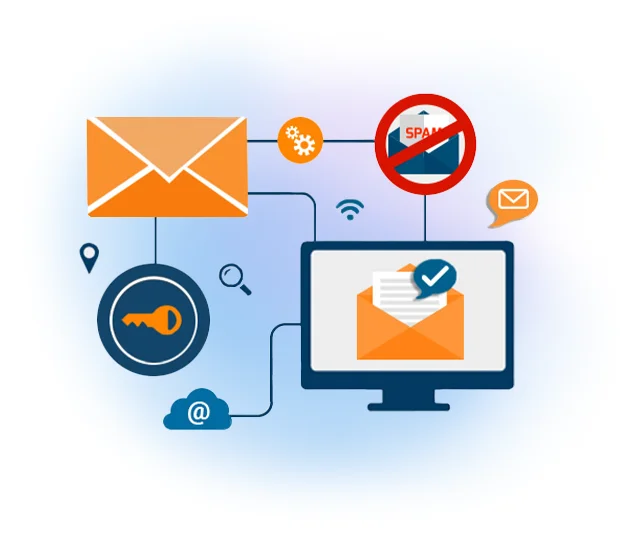
DMARC: control policy and get reports
DMARC ties SPF and DKIM together and tells mailbox providers what to do when a message fails authentication — monitor, quarantine or reject. Its reports reveal unauthorized senders, domain abuse and configuration issues before they damage your reputation.
Generate your DMARC record →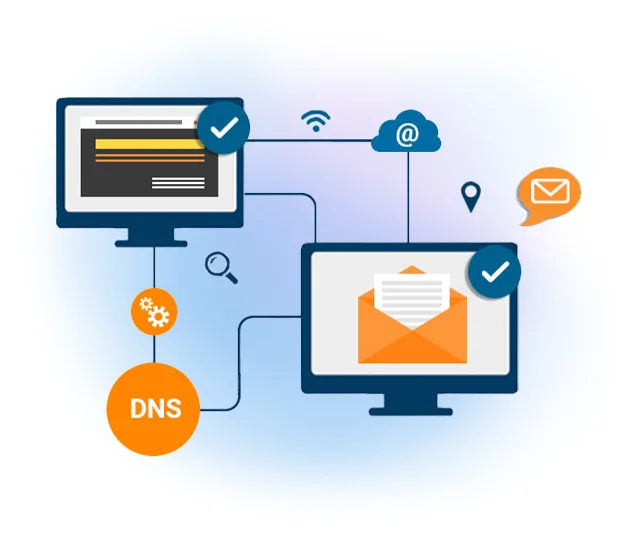
The foundation of your deliverability
Authentication doesn't guarantee the inbox on its own, but it dramatically reduces filtering and blocking: it's the technical foundation of your email deliverability. Track how your domain performs in the Deliverability Center, and pair authentication with a reliable SMTP relay for consistent sending.
Discover email deliverability →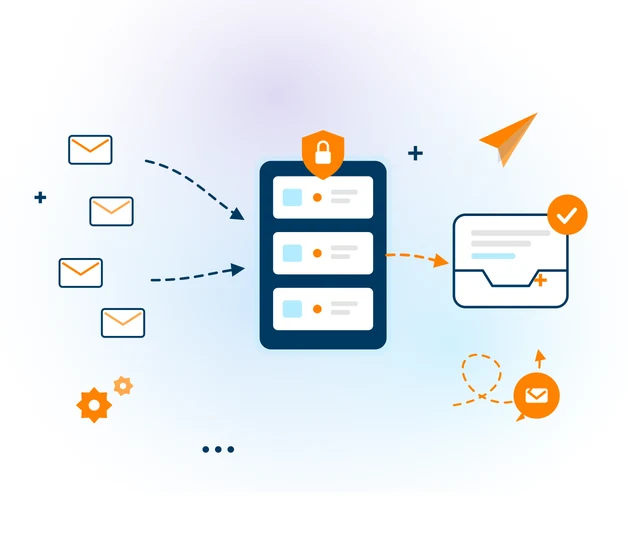
Authenticate your domain in three steps
Publish your SPF record
List your authorized sending sources in a single SPF record in your DNS — one record only, within the DNS lookup limit.
Sign with DKIM
Publish your DKIM key in DNS and activate the signature so every email you send carries proof of its integrity.
Enable DMARC gradually
Start DMARC in monitoring mode, read the reports, then tighten the policy to quarantine or reject once everything aligns.
Frequently asked questions
What is email authentication?
Do I need SPF, DKIM and DMARC — all three?
Does authentication guarantee inbox placement?
What are the most common authentication mistakes?
How do I configure SPF, DKIM and DMARC with Mailpro?
Authenticate your domain today
Create your account and set up SPF, DKIM and DMARC in minutes — protect your brand and reach the inbox.