Mother's Day 2026 falls on Sunday, May 10 in the US, Canada, and Australia — and it's now the third-largest retail holiday in the United States, behind only Christmas and the Fourth of July. US spending alone is forecast to hit a record $38 billion this year, up 11.4% year-over-year, with the average shopper planning to spend over $284 on gifts. For email marketers, this is one of the highest-ROI windows of the entire year — and the brands that win it aren't the ones with the biggest budgets. They're the ones with the smartest email strategy.
This guide is built for that. Below you'll find 17 proven Mother's Day email marketing ideas, a recommended send schedule, ready-to-use subject lines, segmentation tips that protect sensitive subscribers, and the latest 2026 data on what's actually moving the needle (hint: AI-personalized subject lines now lift open rates by 26%). Whether you sell physical products, digital services, or experiences, you'll leave this article with a campaign plan you can ship this week.
When Should You Start Sending Mother's Day Emails?
Start 3 to 4 weeks before Mother's Day, and don't stop until the morning of. For US lists in 2026, that means your first send should land between April 13 and April 20. A huge share of Mother's Day buyers purchase in the final five days, and your highest-converting email of the entire sequence is almost always the "last chance" reminder. Brands that send a single email lose to brands that run a 4–6 email sequence covering early shoppers, mid-window deciders, last-minute panickers, and digital-gift buyers on May 10 itself.
Here's a recommended send cadence:
- 4 weeks out (April 13): Sensitivity opt-out + early-bird gift guide
- 3 weeks out (April 20): Curated gift guides by recipient personality
- 2 weeks out (April 27): Personalized recommendations + free shipping offer
- 1 week out (May 4): Shipping deadline reminder with countdown timer
- 2 days out (May 8): Last-chance physical gifts
- Mother's Day morning (May 10): Digital gifts, gift cards, experience vouchers
17 Mother's Day Email Marketing Ideas for 2026
- Send a Sensitivity Opt-Out Email First. Before any promotional send, give subscribers the option to opt out of Mother's Day messaging. For people who've lost a mother, struggled with infertility, or had difficult family relationships, this single email transforms your brand from a source of pain into one of the most empathetic in their inbox. Use a short, warm message: "We know Mother's Day isn't for everyone. Click here to skip our Mother's Day emails this year." The unsubscribe rate on this email will be tiny, and the goodwill is enormous. Segmenting opt-outs protects your sender reputation while protecting your subscribers.
- Use AI-Powered Personalized Recommendations. Generic gift guides are dead. In 2026, subscribers expect emails tailored to their previous purchases, browsing history, and preferences — and the data backs it up: segmented campaigns generate 760% more revenue than broadcast sends, and AI-personalized subject lines outperform manually written ones by 26%. If a subscriber has bought skincare before, lead with a luxe spa bundle. If they've browsed home goods, surface ceramic vases or a candle set. Personalization isn't a nice-to-have anymore — it's the difference between a 49% open rate and a 19% one.
- Build Curated Gift Guides by Persona, Not Category. Instead of "Gifts Under $50," build guides like "For the Mom Who Has Everything," "For the New Mom Running on Coffee," or "For the Mom Who'd Rather Be Hiking." Persona-based guides convert higher because 48% of Mother's Day shoppers say finding a unique or different gift is their top priority — ahead of price or convenience. Keep each guide to 4–6 products, use lifestyle photography (not white-background product shots), and include a one-line story for each pick.
- Lead With Wellness and Self-Care Products. The fastest-growing Mother's Day gift categories in 2026 are wellness-driven. Among parents with young children, 39% cite healthy eating, 36% cite mental health and self-care, and 34% cite fitness products as influences on their gift choice. If you sell anything in this space — supplements, skincare, fitness gear, sleep products, journals, meditation apps — lead with it. Frame the gift as "permission to rest," not just a product.
- Run a Genuine Limited-Time Offer (with a Real Deadline). Urgency only works when it's honest. Run a 48-hour Mother's Day discount, a one-day free shipping window, or a "first 200 orders get a free gift" offer. Use a live countdown timer in the email itself so the deadline updates in real time when the recipient opens. Avoid fake urgency ("ENDS TONIGHT!" for the fifth week running) — subscribers learn fast, and your open rates pay the price.
- Tell a Real Story, Not a Stock-Photo One. Skip the cliched "mother holding child in golden hour" visuals. Feature a real customer, employee, or founder talking about their mom in 60 seconds of video or 100 words of text. Authentic stories build the emotional connection that drives gift-giving, and they don't look like every other brand's campaign. If you have a customer who bought from you last Mother's Day, ask them for a quick testimonial — that's your hero email.
- Add Interactive Elements That Work in the Inbox. 97% of marketers used at least one interactive element in their emails in 2025, and B2C brands lead the adoption. Try a "What kind of mom is yours?" quiz that returns a personalized gift recommendation, a scratch-to-reveal discount code, or a hover-to-reveal product gallery. Interactive emails increase engagement and time-in-email, both of which signal value to the inbox providers and lift deliverability.
- Promote Personalization — Because Customers Are Asking for It. Nearly 6 in 10 Mother's Day shoppers planned to buy a customized or personalized gift in 2026. If you offer engraving, monogramming, custom photo printing, or made-to-order products, this should be the top message of at least one of your emails — not a footnote. Show the personalization clearly in the hero image (a real engraved bracelet, not a mockup), state the customization deadline prominently, and link directly to the personalization landing page.
- Use Humor — Carefully. A well-placed joke about "the mug with macaroni glued to it she still keeps" or "another ‘World's Best Mom' coffee cup" can make your email the one she actually opens. But humor is a knife-edge for emotional holidays. Test it on a small segment first. If your brand voice is already warm and conversational, lean in. If it's formal or luxury, skip it.
- Share DIY Ideas That Pair With Your Products. Not every email has to be a sale. A DIY tutorial — "Build a custom self-care basket in 5 steps" — that incidentally features four of your products converts better than a hard-sell email and builds long-term subscriber trust. Add a branded hashtag and a contest element (best DIY shared on Instagram wins a gift card) to extend the campaign onto social.
- Use Countdown Timers for Shipping Deadlines, Not Just Sales. The most useful countdown timer in a Mother's Day email isn't for a discount — it's for the shipping cutoff. "Order by Wednesday at midnight to arrive by May 10." This solves a real anxiety for last-minute shoppers and converts at much higher rates than offer-based countdowns. Pair the countdown timer with a single, dominant call-to-action.
- Drop Inspirational Content That Doesn't Sell Anything. One email in your sequence should have zero promotional ask. Send a heartfelt note about motherhood from your founder, a curated list of books about moms, or a Spotify playlist for Mother's Day brunch. This builds the "why we email this brand" relationship and lifts the open rate of every email that follows it.
- Run a User-Generated Content Contest. "Share a photo of your mom — or a memory of her — for a chance to win a $250 gift card." UGC contests generate organic social content, build community, and give you a deep well of testimonial material to reuse. Crucially, they also surface superfans you didn't know you had. Feature the entries in a follow-up email after Mother's Day.
- Reward Loyalty with Exclusive Early Access. Give your VIPs (top 10% by lifetime spend, or anyone in your loyalty program) a 24-hour head start on a Mother's Day collection or a code that's 5% better than what hits the public list. Frame it as recognition, not promotion: "Because you've been with us, here's first dibs." This is one of the highest-converting email types in any holiday sequence.
- Optimize Aggressively for Mobile and Dark Mode. 78% of emails are opened on a phone, and roughly half of email users delete messages that aren't mobile-optimized. In 2026, dark mode support is no longer optional — test every email in both light and dark modes before sending. Keep subject lines under 50 characters so they don't get truncated, use alt text on every image (a third of emails are read with images blocked), and design with single-column layouts and tap-friendly buttons (minimum 44 pixels tall).
- Show Real Reviews and Social Proof. Include 2–3 real customer reviews next to each product in your gift guide. Star ratings, photo reviews, and verified-buyer badges all lift click-through rates by reducing the buyer's anxiety about gifting an unknown product. Reviews are especially powerful for first-time gift-givers who don't know your brand yet.
- Don't Stop on May 10 — Send a Thank-You Follow-Up. Send a short, no-ask thank-you email on May 11 or 12 to anyone who purchased. Include a discount on their next order, a feedback survey, and a teaser for what's coming next (Father's Day, summer collection). Post-purchase emails have some of the highest open rates of the entire year and convert one-time gift-buyers into repeat customers.
Planning the next big date? Mailpro’s plans include templates, scheduling and automation — so every seasonal campaign goes out on time.
Mother's Day Email Subject Lines That Actually Get Opened
Your subject line is the entire campaign. Keep it under 50 characters so it doesn't truncate on mobile, lead with the most important word, and make sure it answers "what's in it for me?" Here are 12 subject lines, organized by send phase, that consistently outperform generic "Happy Mother's Day" sends:
Early-window (3–4 weeks out):
- Mom deserves more than a card this year
- The Mother's Day gift guide, sorted by mom type
- Beat the rush. Shop Mother's Day now.
Mid-window (1–2 weeks out):
- [First name], we picked these for your mom
- Free shipping on Mother's Day, today only
- The gift she'll actually use (we promise)
Last-chance (final 3 days):
- Order today to arrive by Mother's Day
- Last call: Mother's Day shipping ends at midnight
- Forgot? We won't tell. Last-minute gifts inside.
Mother's Day morning (May 10):
- Still need a gift? Here's one she can open right now.
- Send mom love in 60 seconds (digital gifts)
- Happy Mother's Day. A little something from us.
Common Mother's Day Email Marketing Mistakes to Avoid
Even brands with strong email programs trip over the same Mother's Day pitfalls every year. Here are the five most expensive ones:
Sending only one email. Mother's Day shoppers buy across a 3-week window, with a long tail of last-minute purchases on the holiday morning itself. A single send misses 80% of the available revenue. Plan a 4–6 email sequence at minimum.
Skipping the sensitivity opt-out. For subscribers who've lost a mother or struggled with motherhood, an unexpected Mother's Day email can feel like a punch. The opt-out email costs you nothing and protects the relationship. It's also the kind of small gesture that gets screenshotted and shared.
Ending the campaign too early. Many brands shut down their Mother's Day emails after the physical-shipping cutoff. But digital gifts, gift cards, and experiences sell right up until Mother's Day morning — often at the highest conversion rates of the whole sequence. Always send a digital-gifts email on May 10 itself.
Generic, broadcast-style messaging. "Happy Mother's Day from [Brand]" with a stock photo and a 10% off code is the email everyone deletes. Use behavioral and purchase-history data to tailor each send. Even basic segmentation (gift-givers vs. moms themselves, repeat customers vs. new subscribers) lifts revenue dramatically.
Ignoring deliverability fundamentals. No timing or creative trick saves an email that lands in spam. In 2026, fully authenticated domains see 89% inbox placement vs. 44% for unauthenticated ones. Make sure SPF, DKIM, and DMARC are properly set up before your first send — and clean your list of hard bounces and dormant subscribers in the weeks leading up to the campaign.
How to Use Mailpro for Your Mother's Day Campaign
Running the kind of segmented, personalized, automated, and deliverability-tight campaign described above used to require an enterprise marketing stack. With Mailpro, it doesn't. Here's how the platform supports each of the 17 ideas above:
Drag-and-Drop Editor with Mother's Day Templates
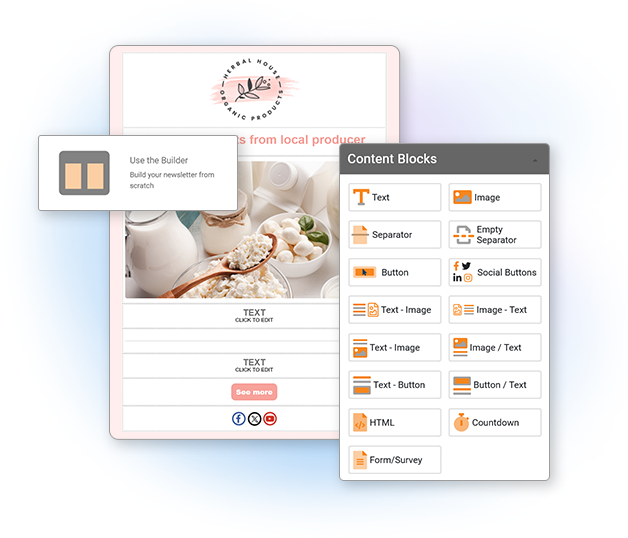
Mailpro's drag-and-drop editor ships with seasonal Mother's Day templates that are pre-tested for mobile, dark mode, and major email clients (Gmail, Outlook, Apple Mail, Yahoo). Drop in your products, swap in your brand colors, and you have a polished email in 15 minutes — no HTML required.
Advanced Segmentation
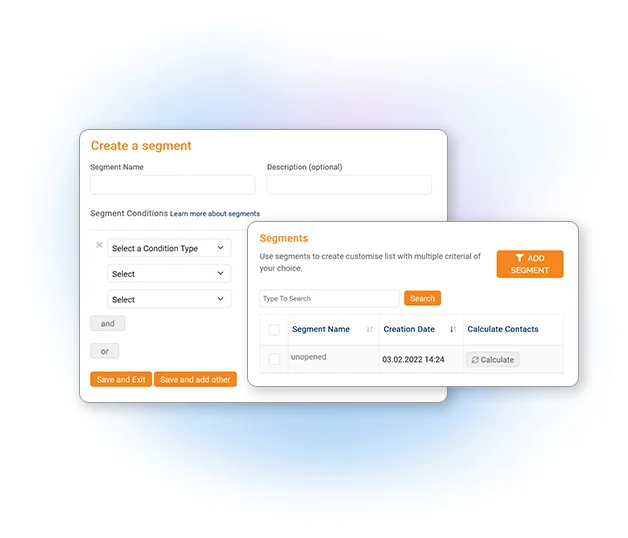
Mailpro's segmentation tools let you split your list by purchase history, browsing behavior, engagement level, geography, and custom fields. Build a "previous Mother's Day buyers" segment, a "skincare buyers" segment, or a "hasn't opened in 90 days" segment in seconds — and send each one a campaign that actually fits.
Automation and Triggered Sequences
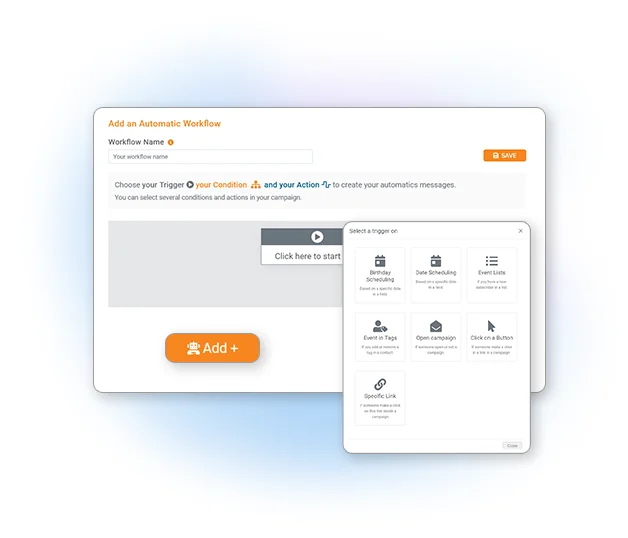
Build your full 4–6 email Mother's Day sequence once, schedule it, and let Mailpro's automation handle the rest. Trigger follow-ups based on opens, clicks, or purchases. Send abandoned-cart reminders to people who added a gift but didn't check out. Welcome new subscribers into a Mother's Day-specific onboarding flow.
Real-Time Analytics
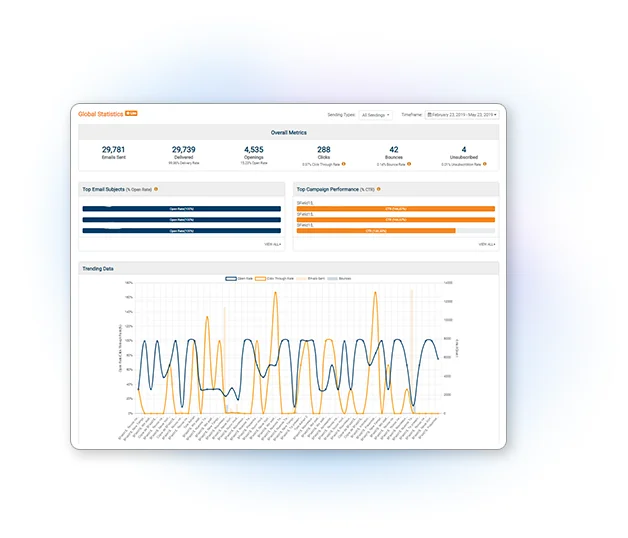
Track open rates, click-through rates, conversions, and revenue in real time with Mailpro's analytics dashboard. A/B test subject lines on a small segment, then push the winner to the rest of your list automatically. Identify which gift guide resonated, which time slot converted best, and which segment drove the most revenue per email — data you'll use again next year.
Deliverability and Authentication
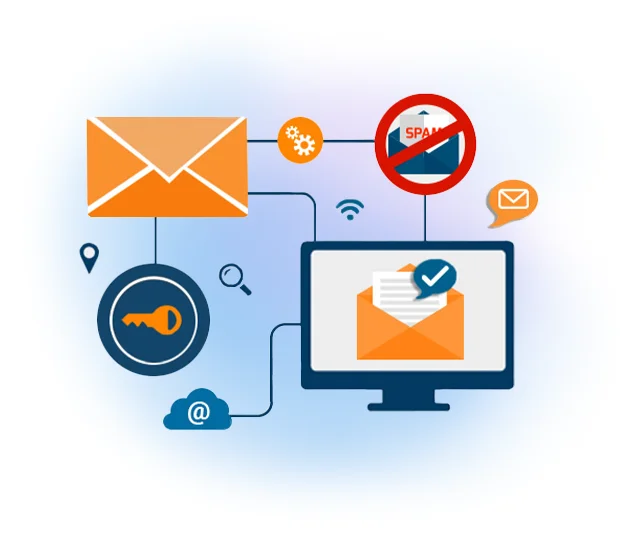
Mailpro handles SPF, DKIM, and DMARC authentication out of the box, plus list-cleaning tools and engagement-based suppression to keep your sender reputation high. The platform is GDPR- and CAN-SPAM-compliant, so the only thing you have to think about is the message itself.
Human Customer Support
When something breaks 24 hours before your biggest send of the quarter, you don't want a chatbot — you want a person. Mailpro's support team is available by phone, email, and chat to help with everything from template debugging to deliverability questions.
Frequently Asked Questions About Mother's Day Email Marketing
When is Mother's Day 2026?
Mother's Day 2026 is on Sunday, May 10 in the United States, Canada, and Australia. In the United Kingdom and Ireland, Mothering Sunday was March 15, 2026. Many European countries celebrate on the last Sunday in May (May 31, 2026), and Mexico celebrates on May 10 every year regardless of the day of the week.
How many Mother's Day emails should I send?
Send 4 to 6 emails across a 3–4 week window. Fewer than 4 leaves revenue on the table; more than 7 risks inbox fatigue and unsubscribes unless your list is large and you segment heavily. The minimum effective sequence is: opt-out + early gift guide + mid-window personalized recommendations + shipping-deadline reminder + last-chance digital gifts.
What's the best day and time to send Mother's Day emails?
For US B2C audiences in 2026, Friday around 6 PM local time is the highest-converging slot for both opens and clicks. Tuesday and Thursday at 10 AM remain strong for newsletter-style sends. For evening shoppers, 8–9 PM is the click-rate peak. Use your ESP's send-time optimization feature when available — AI-driven send-time tools lift open rates roughly 23% over static schedules.
Should I include a Mother's Day opt-out option?
Yes — especially if you plan to send more than two Mother's Day emails. The opt-out costs you almost nothing in unsubscribes and earns enormous goodwill from subscribers for whom the holiday is painful. Either send a standalone opt-out email 4 weeks before, or add a Mother's Day toggle to your preference center and link to it in every Mother's Day send.
How do I write a Mother's Day email subject line that gets opened?
Keep it under 50 characters, lead with the value to the reader (not your brand), and personalize when possible. "Order today to arrive by Mother's Day" outperforms "Happy Mother's Day from [Brand]" because it solves a problem. AI-generated subject lines tested against human-written controls deliver 26% higher open rates on average — if your ESP offers AI subject-line generation, use it as a brainstorming partner, then edit for brand voice.
What products sell best for Mother's Day?
In 2026, the top-converting categories are flowers, jewelry, personalized gifts, wellness products (skincare, supplements, mental-health and self-care items), experiences (spa days, dinners, classes), and gift cards. Wellness has the fastest growth, particularly among parents with young children. Personalized and customized gifts are also surging — nearly 6 in 10 shoppers planned to buy one in 2026.
How do I avoid sounding generic in a Mother's Day email?
Three rules: (1) Show real people, not stock photos. (2) Tell a specific story — one mom, one moment, one product — instead of generalizing about "all the moms." (3) Solve a specific problem (shipping anxiety, gift-choice paralysis, last-minute panic) rather than promoting a generic discount. Specificity is what separates the email she opens from the one she deletes.
Ready to Ship Your Mother's Day Campaign?
Mother's Day 2026 is one of the highest-ROI windows of the year, and the brands that win it start now. Pick 3 of the 17 ideas above that fit your brand, build your sequence in Mailpro this week, and segment your list before your first send. The difference between a forgettable Mother's Day campaign and a record-breaking one isn't budget — it's preparation, segmentation, and the willingness to treat subscribers like real people having a real holiday.
Happy sending. And to all the moms reading this — happy Mother's Day.
Get a head start: pick one of our free Mother's Day email templates and have your campaign ready today.
Mailpro and seasonal campaigns
Turn seasonal moments into your best-performing campaigns
Mother’s Day, holidays, big sale days — the calendar is full of reasons to send. Mailpro gives you templates, scheduling and automation to launch every seasonal campaign on time, without scrambling.